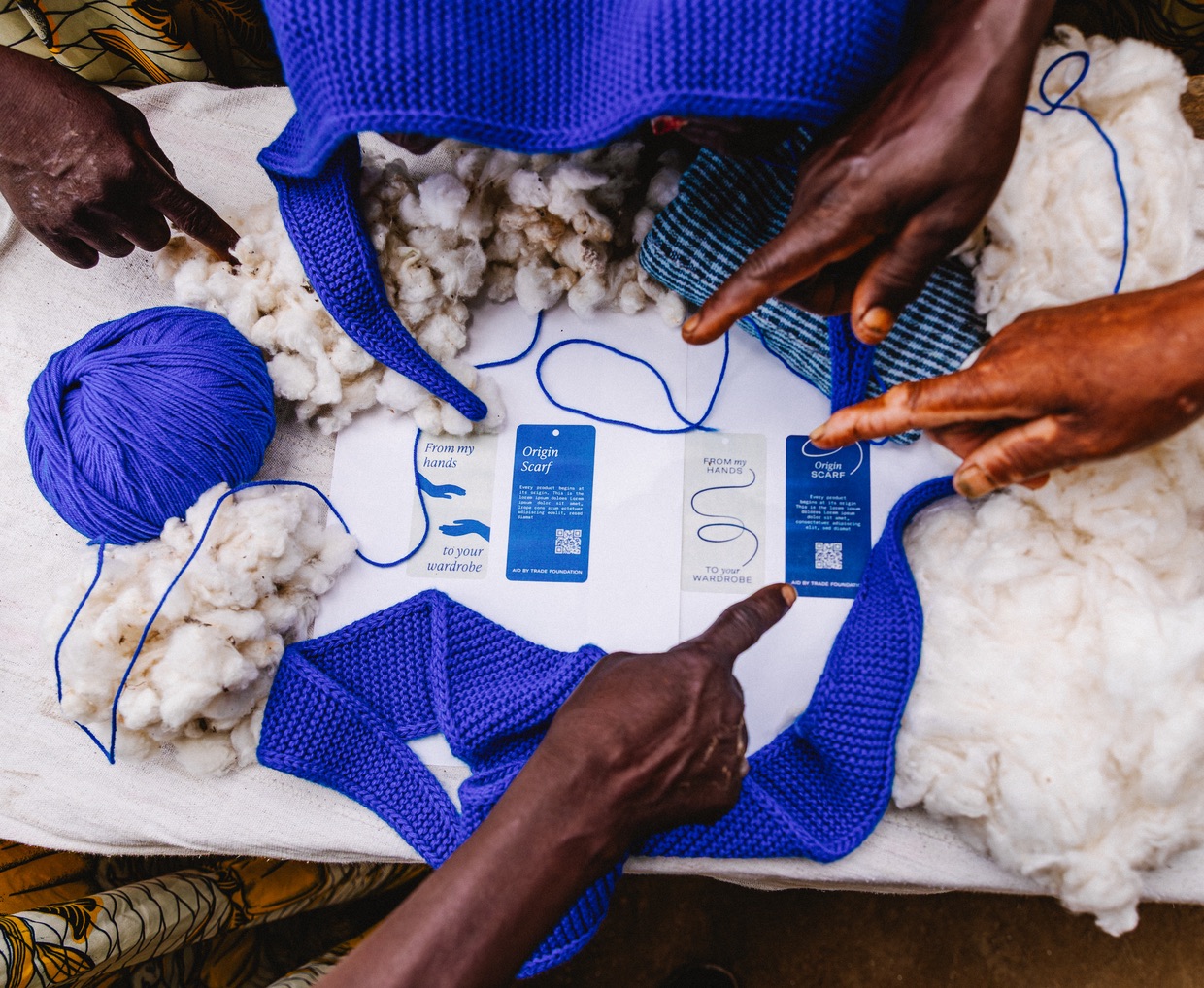
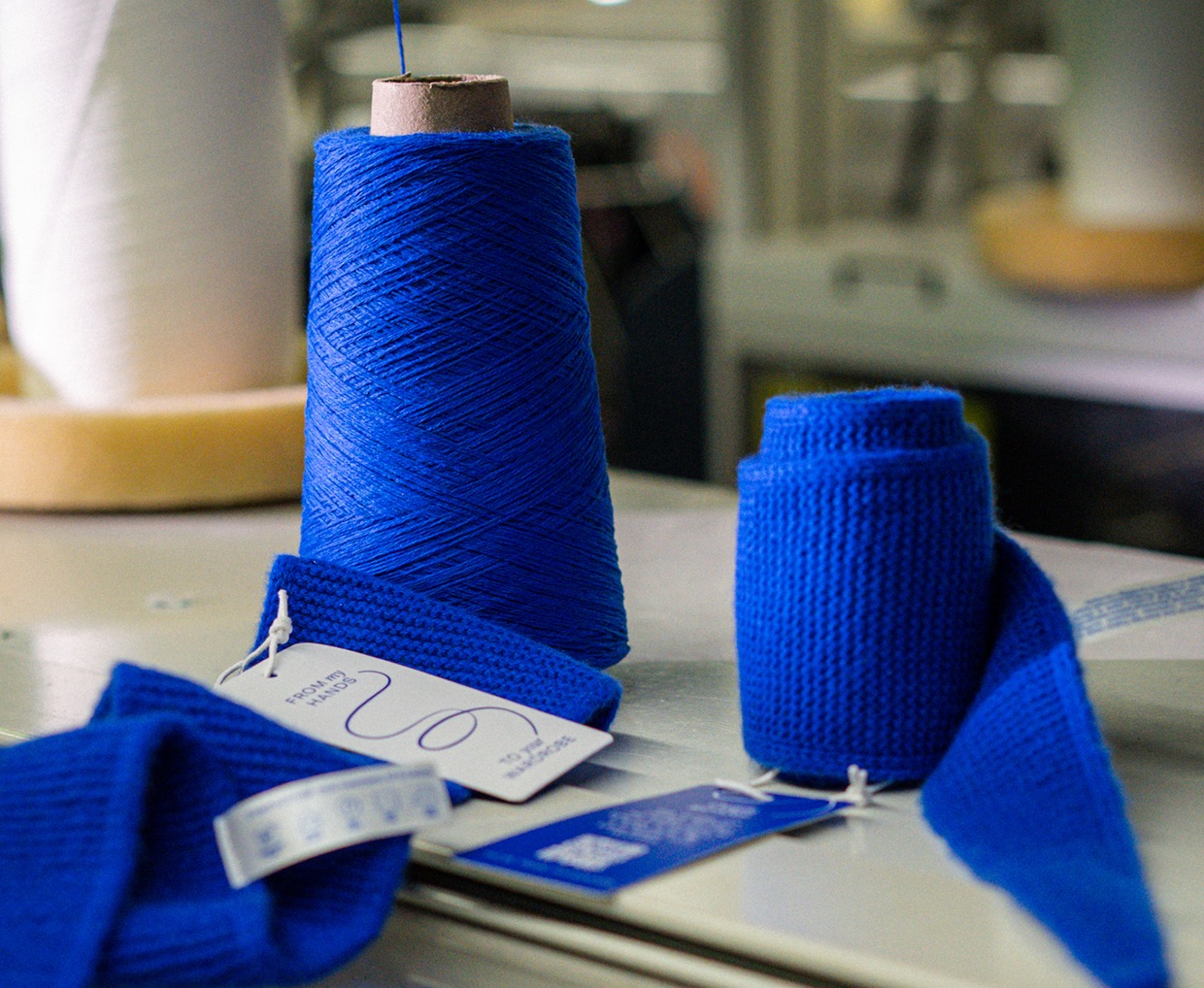
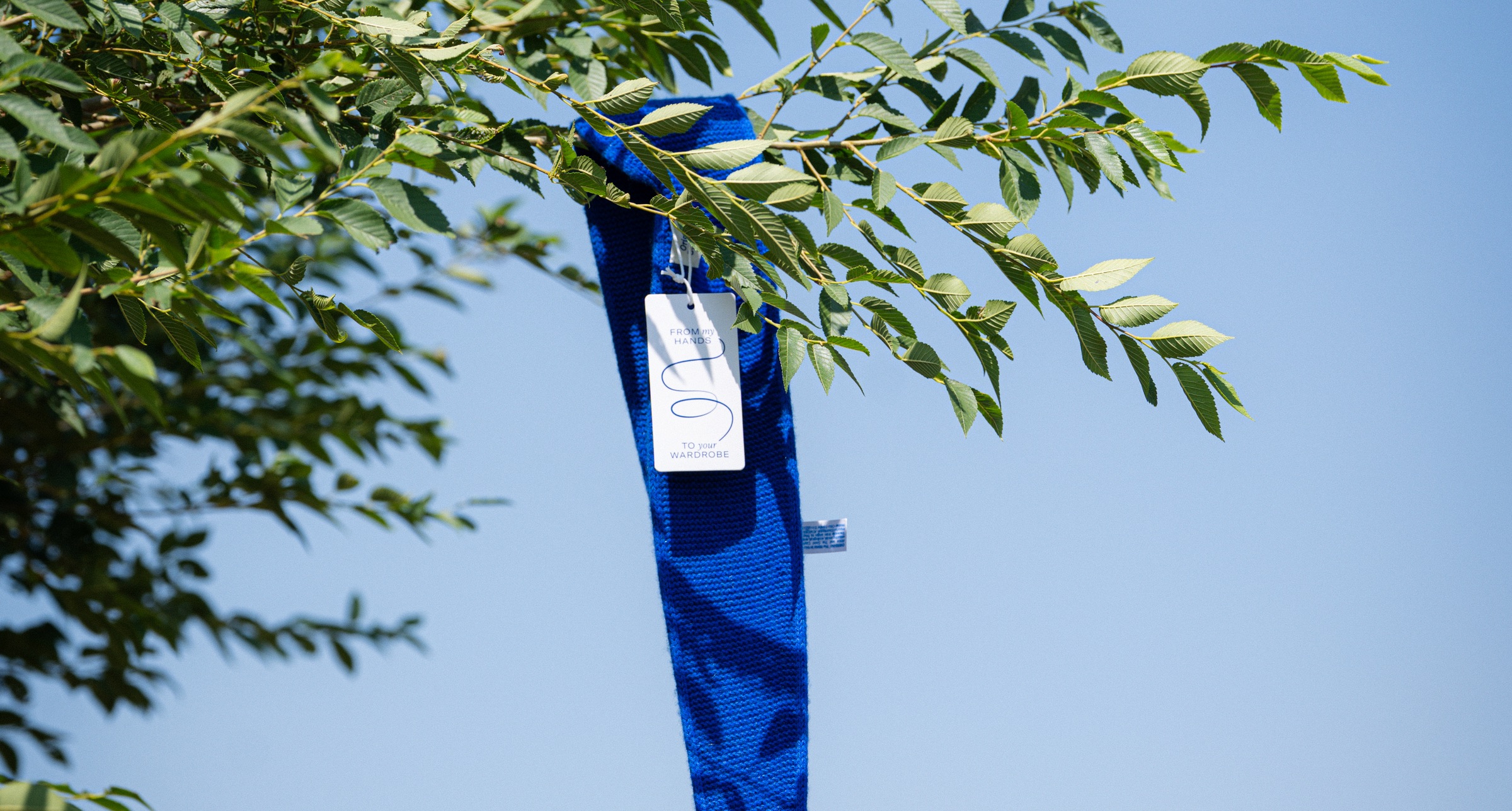
From my hands to your wardrobe

The video is loaded from YouTube once you click play. YouTube’s privacy policy applies.

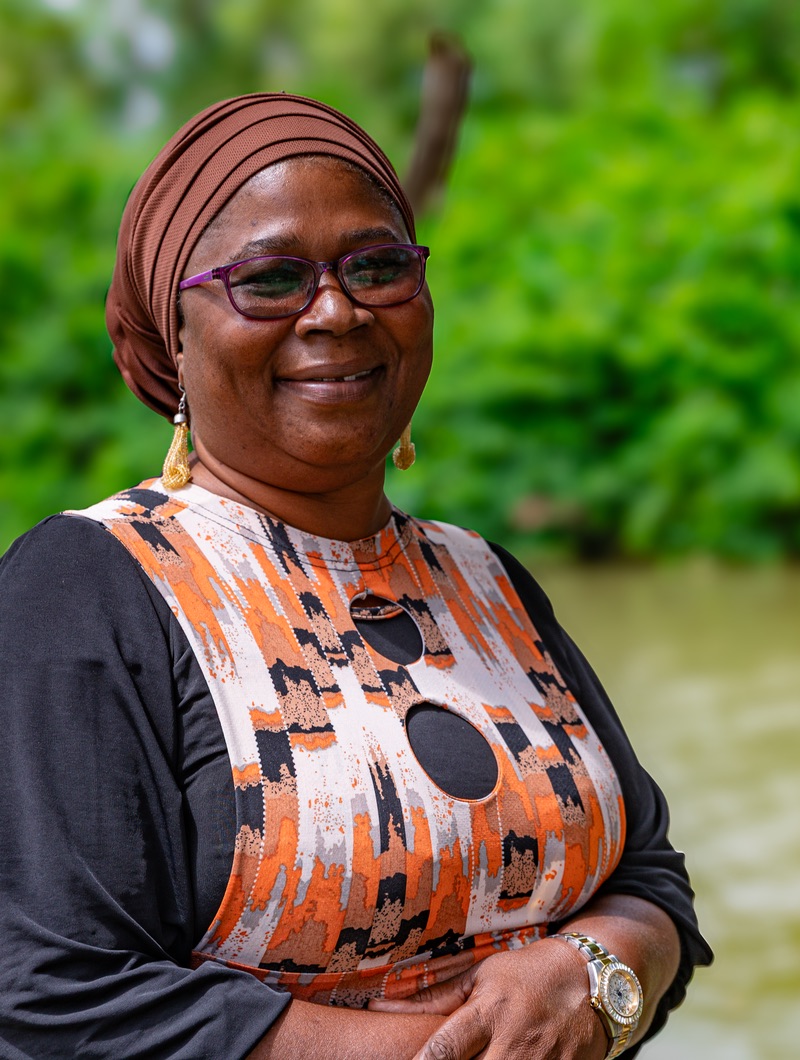
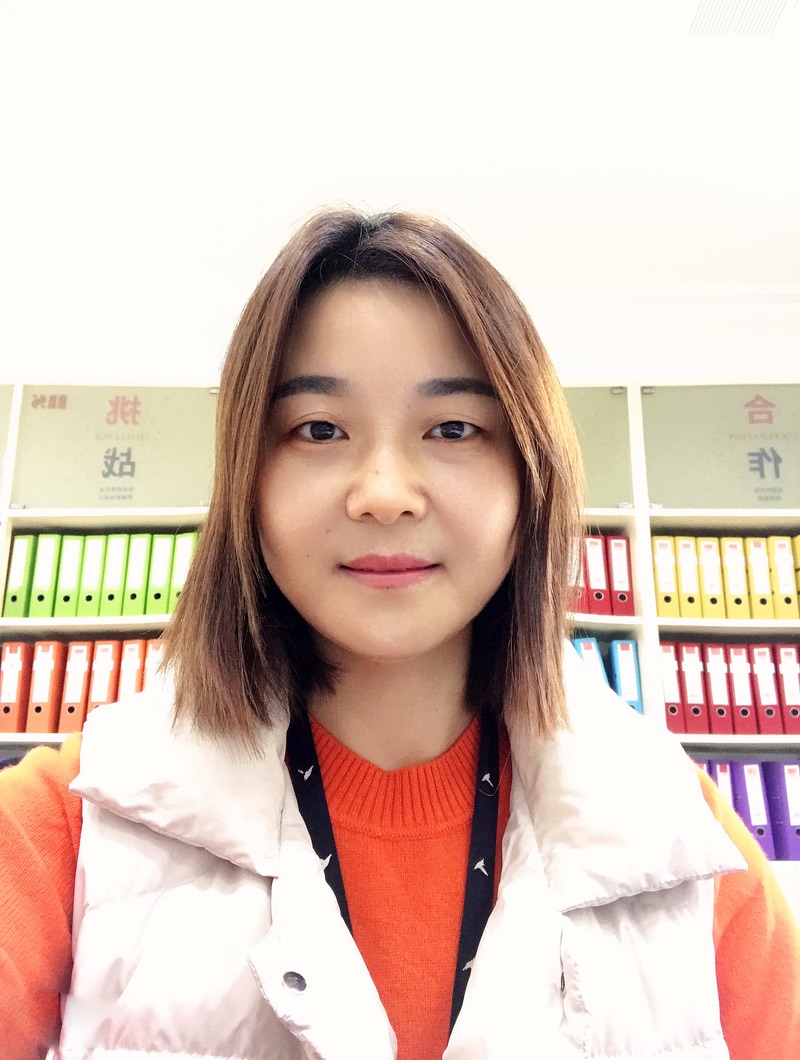
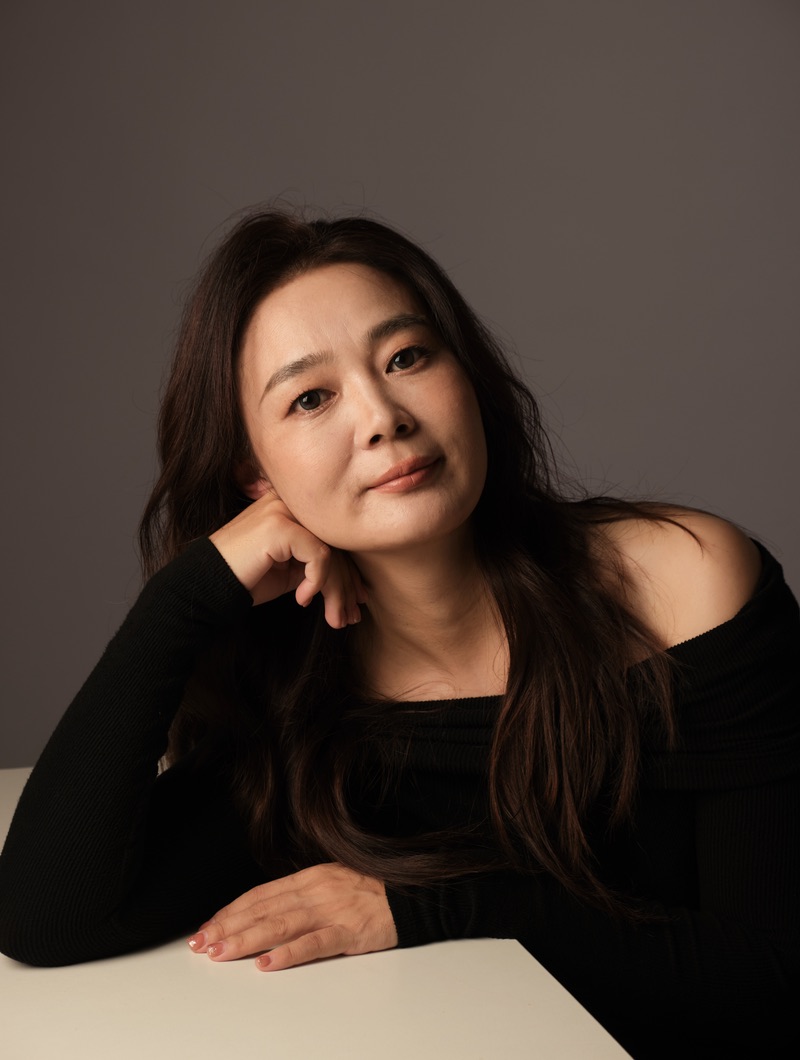
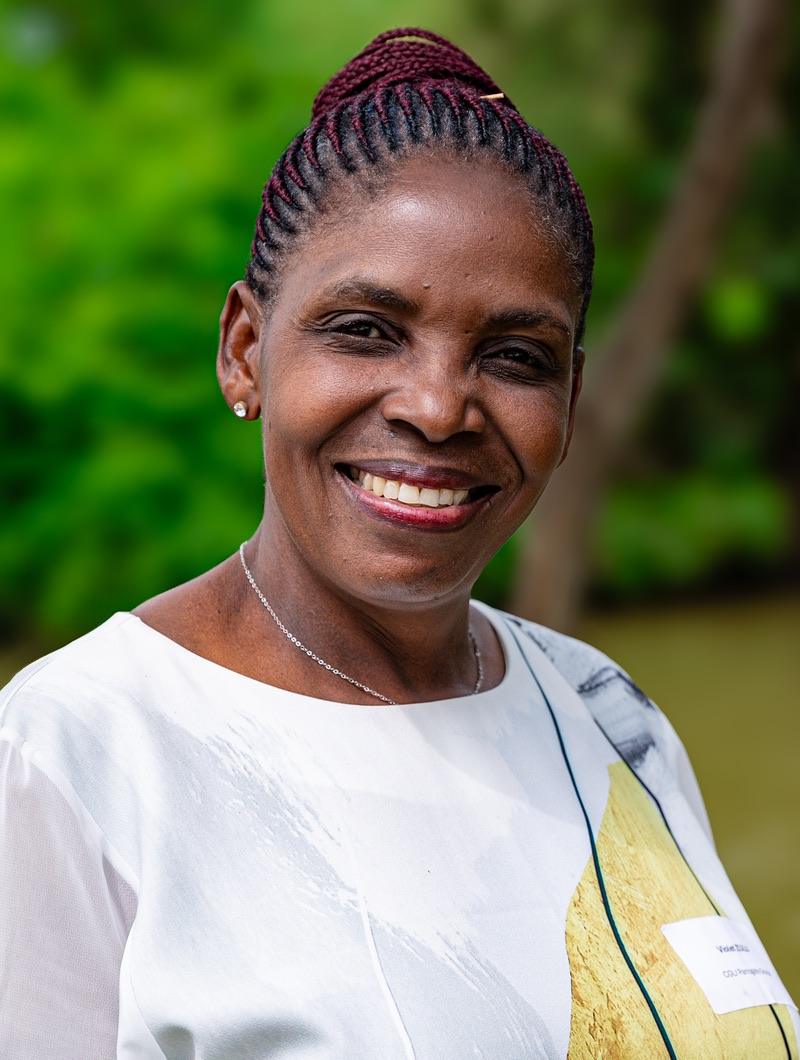
Meet the Women

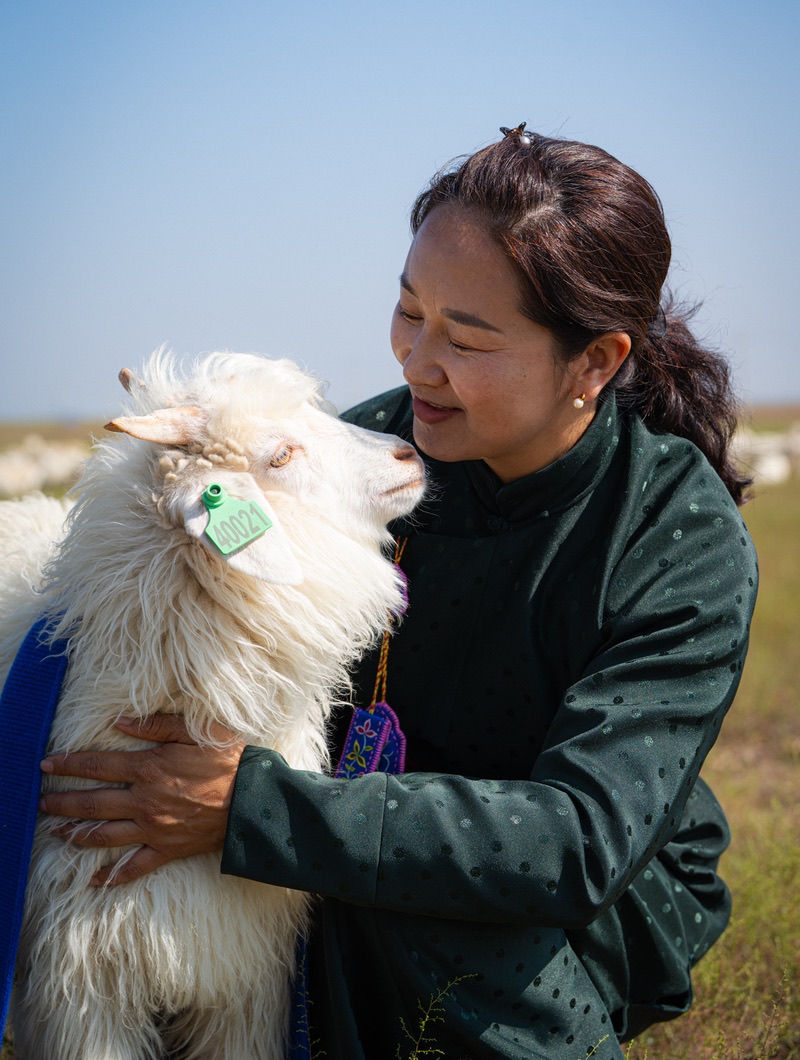
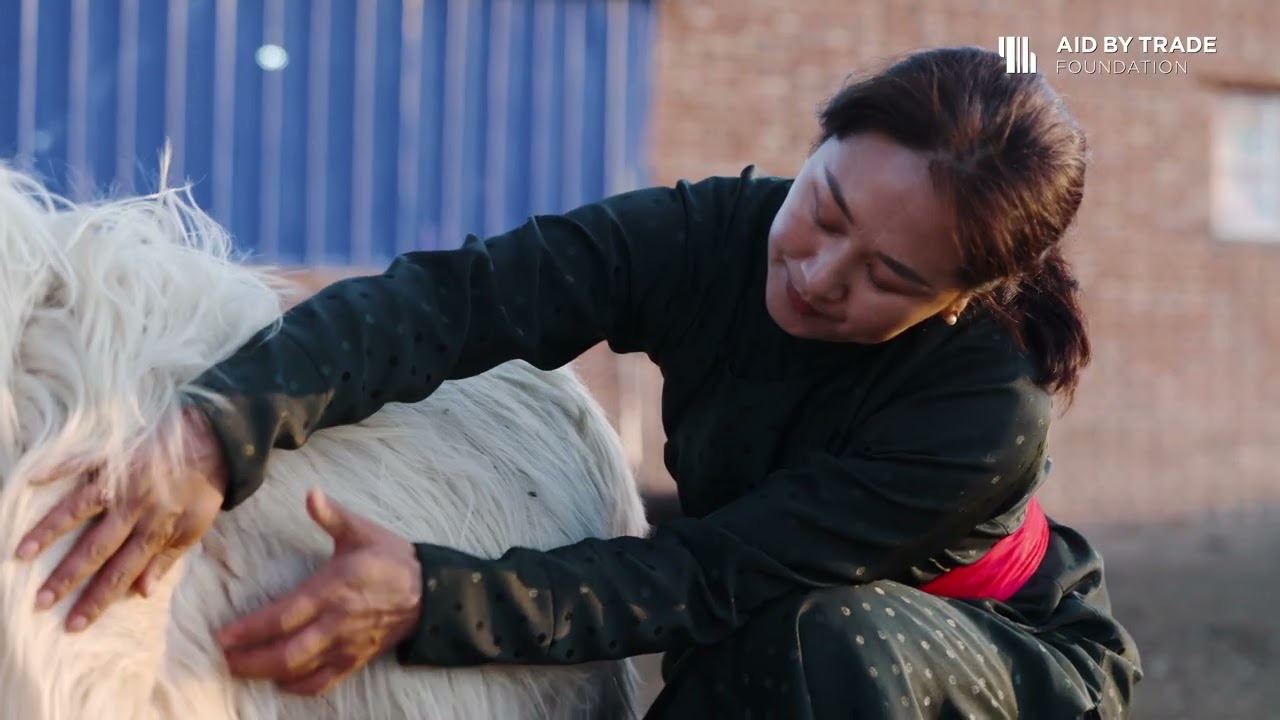
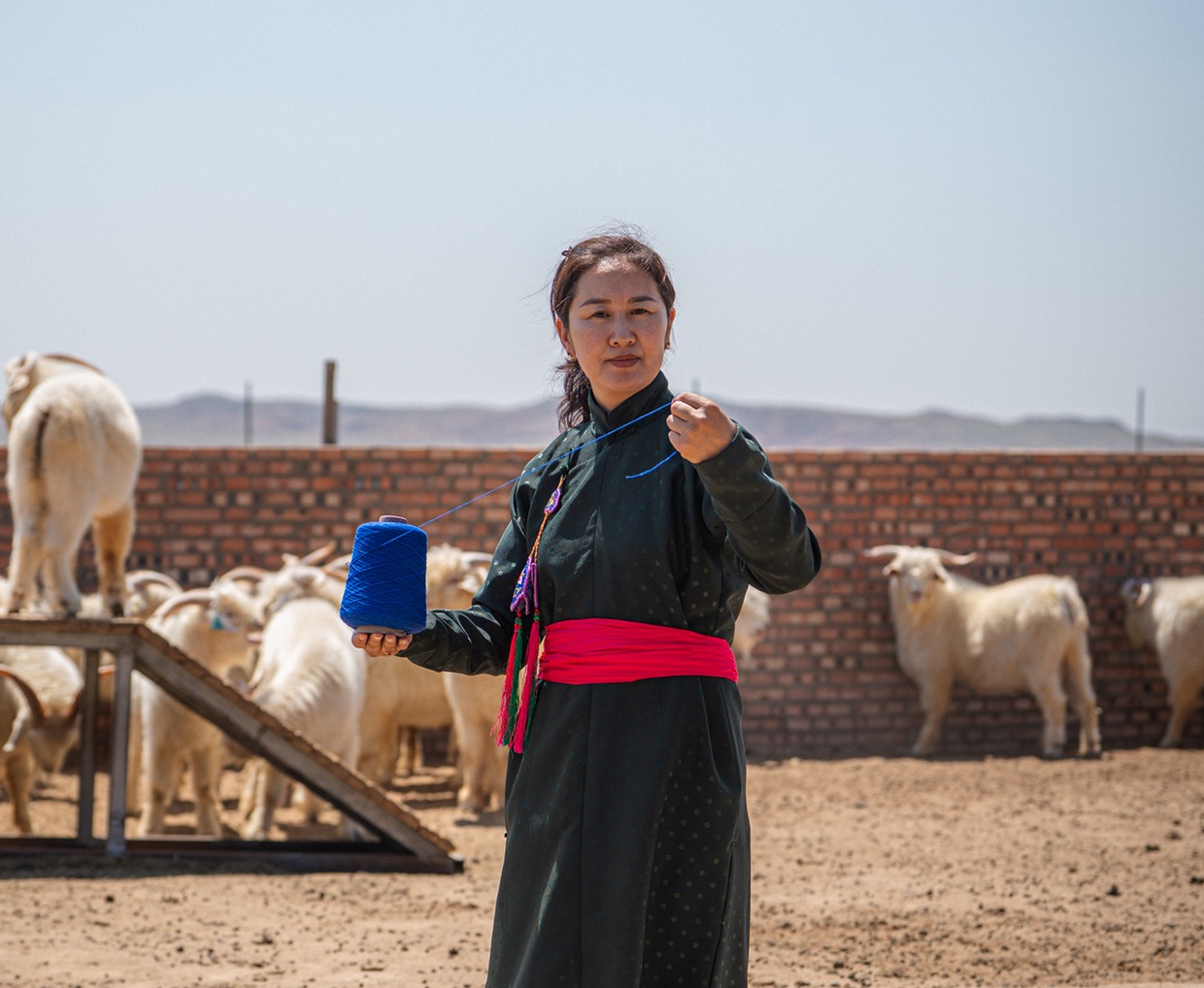
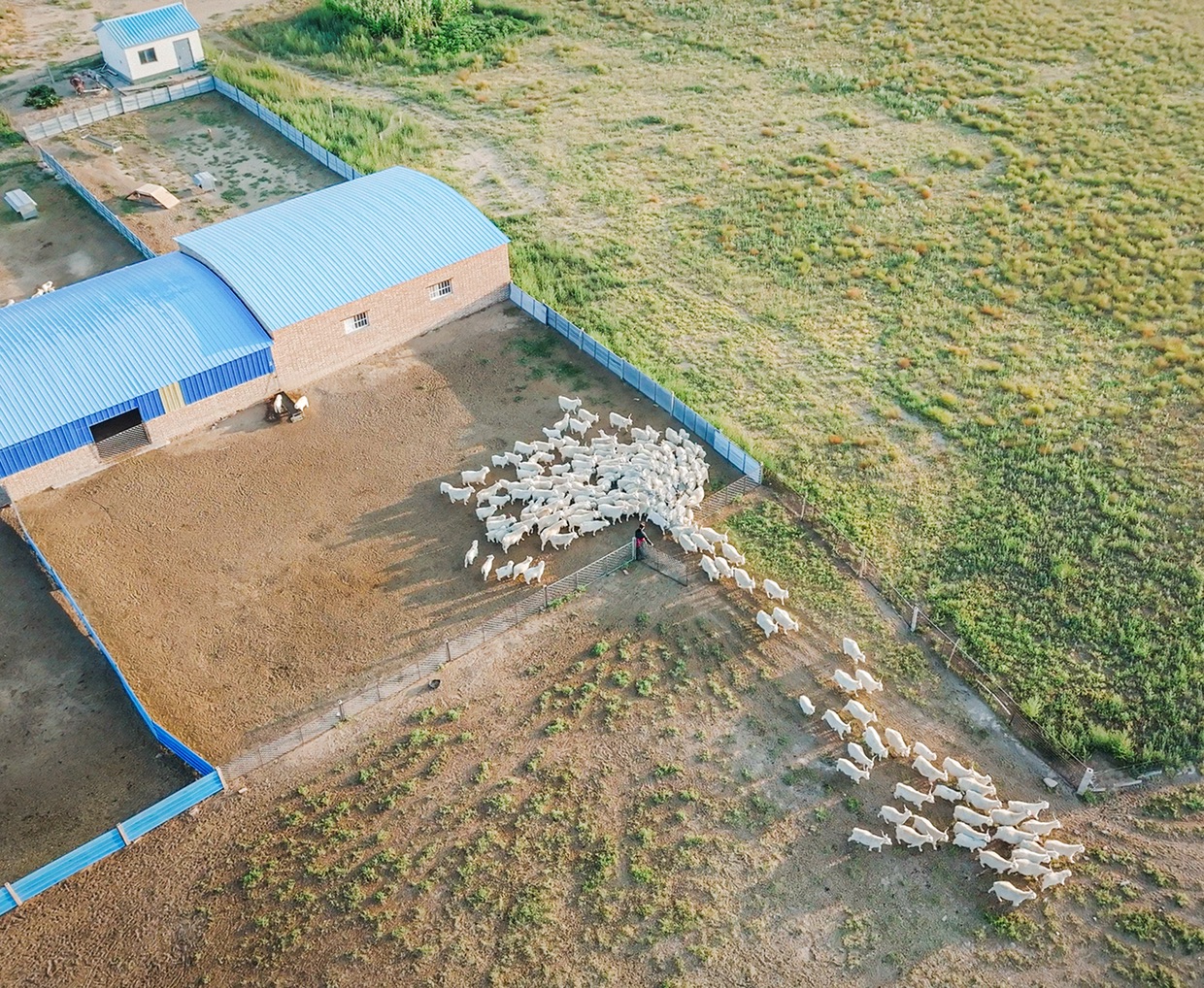
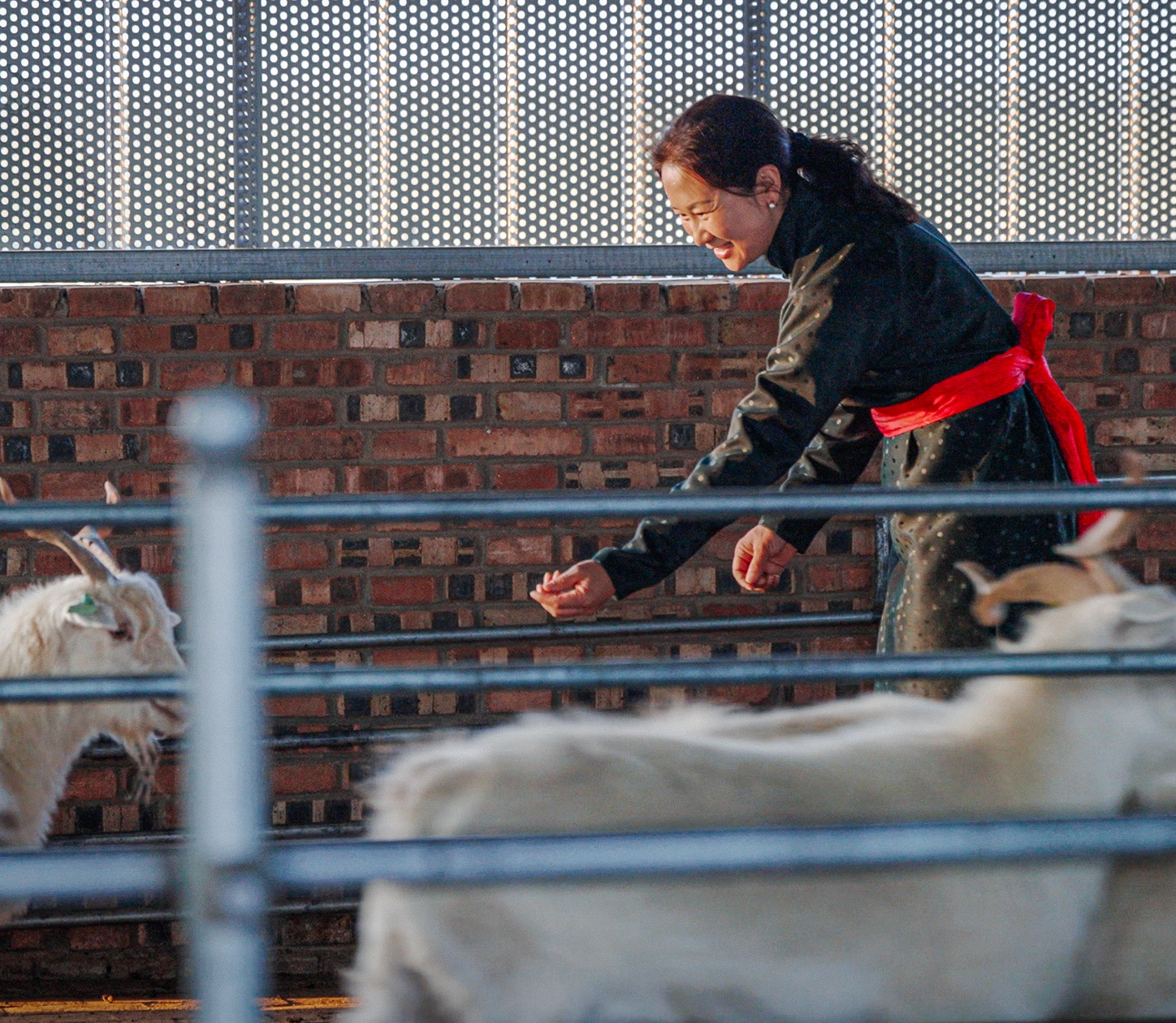
“I hope young women can build confident and independent lives through the work of their own hands.”

Chaoluomenqiqige, Cashmere Herder,
Inner Mongolia, China

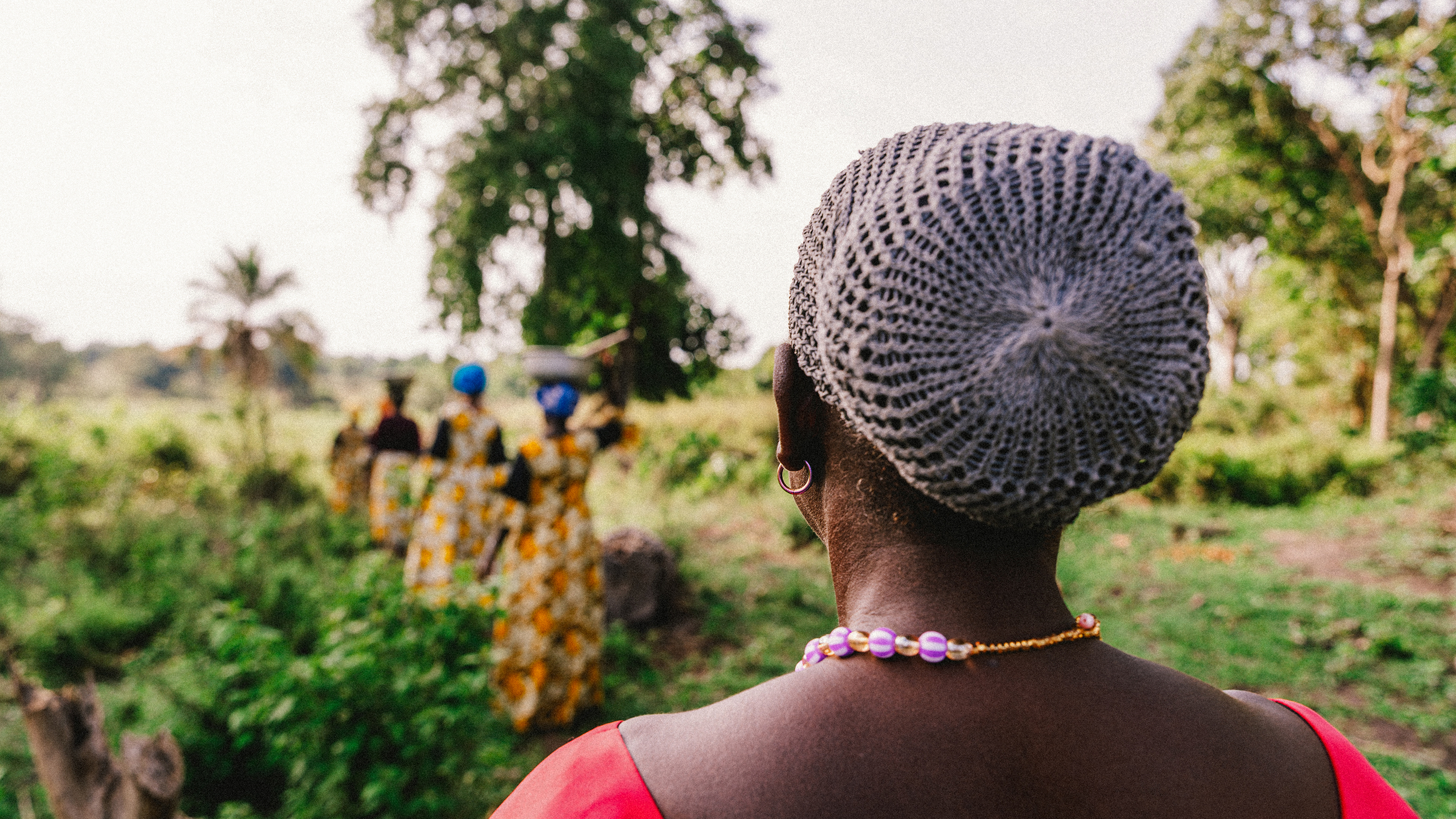
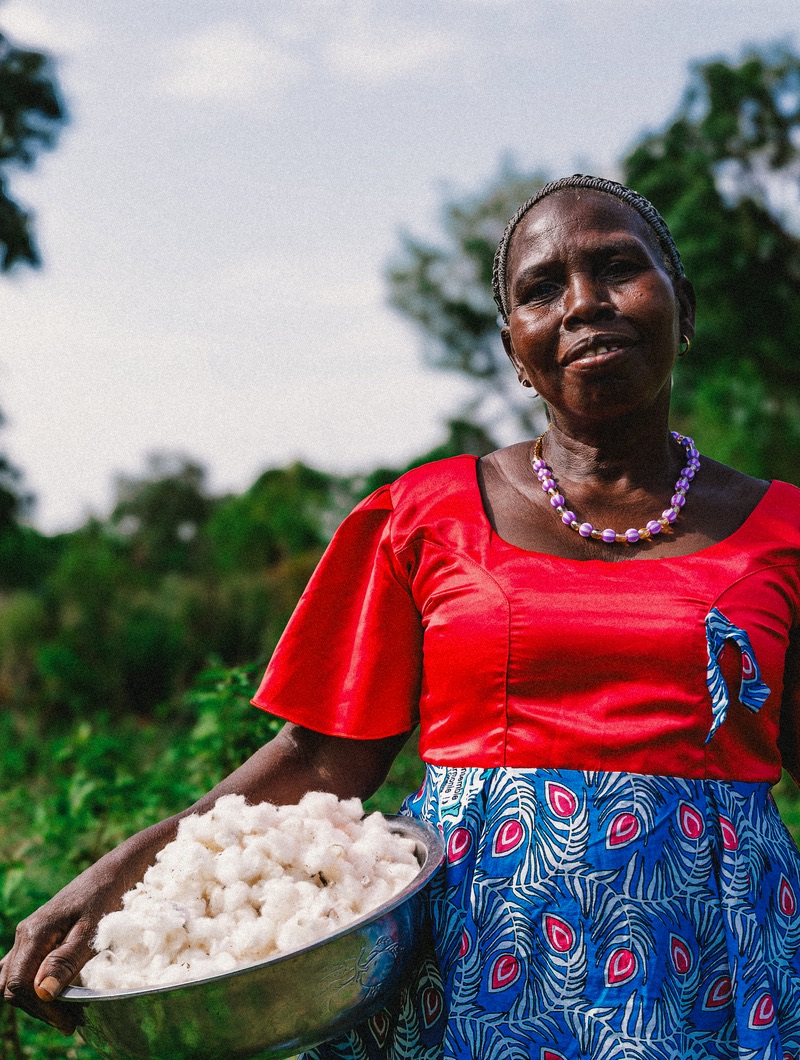
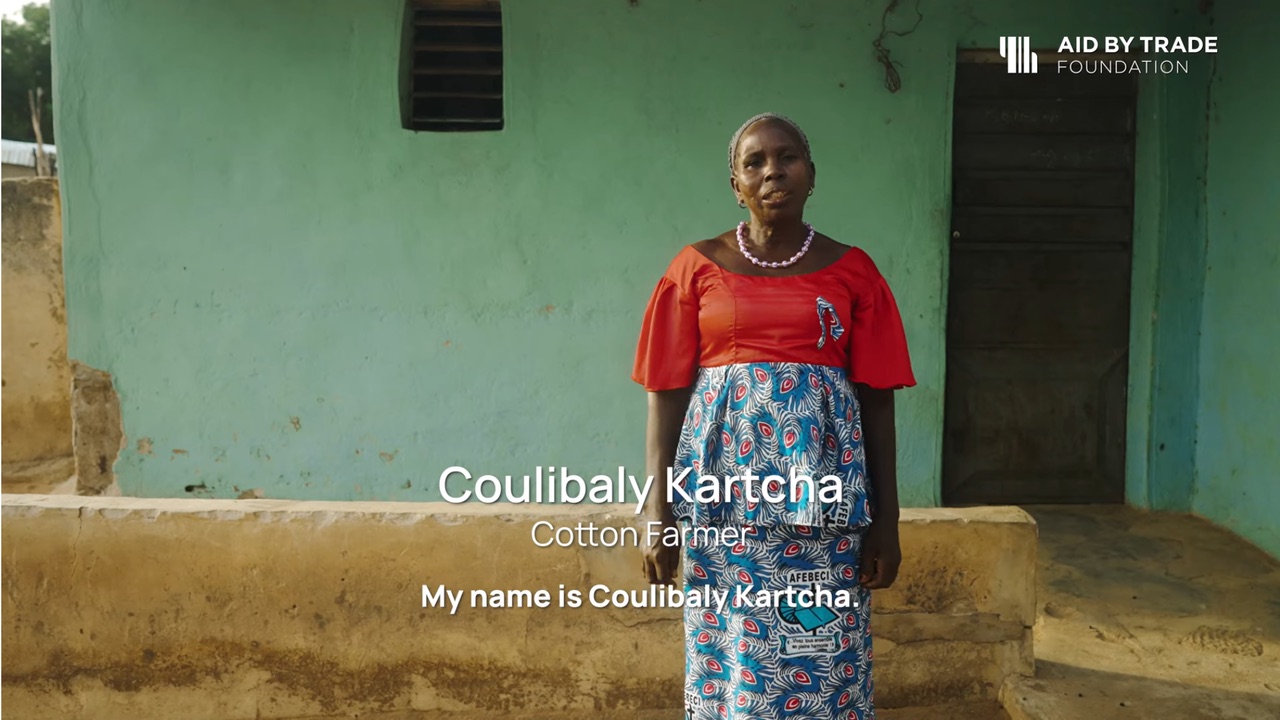
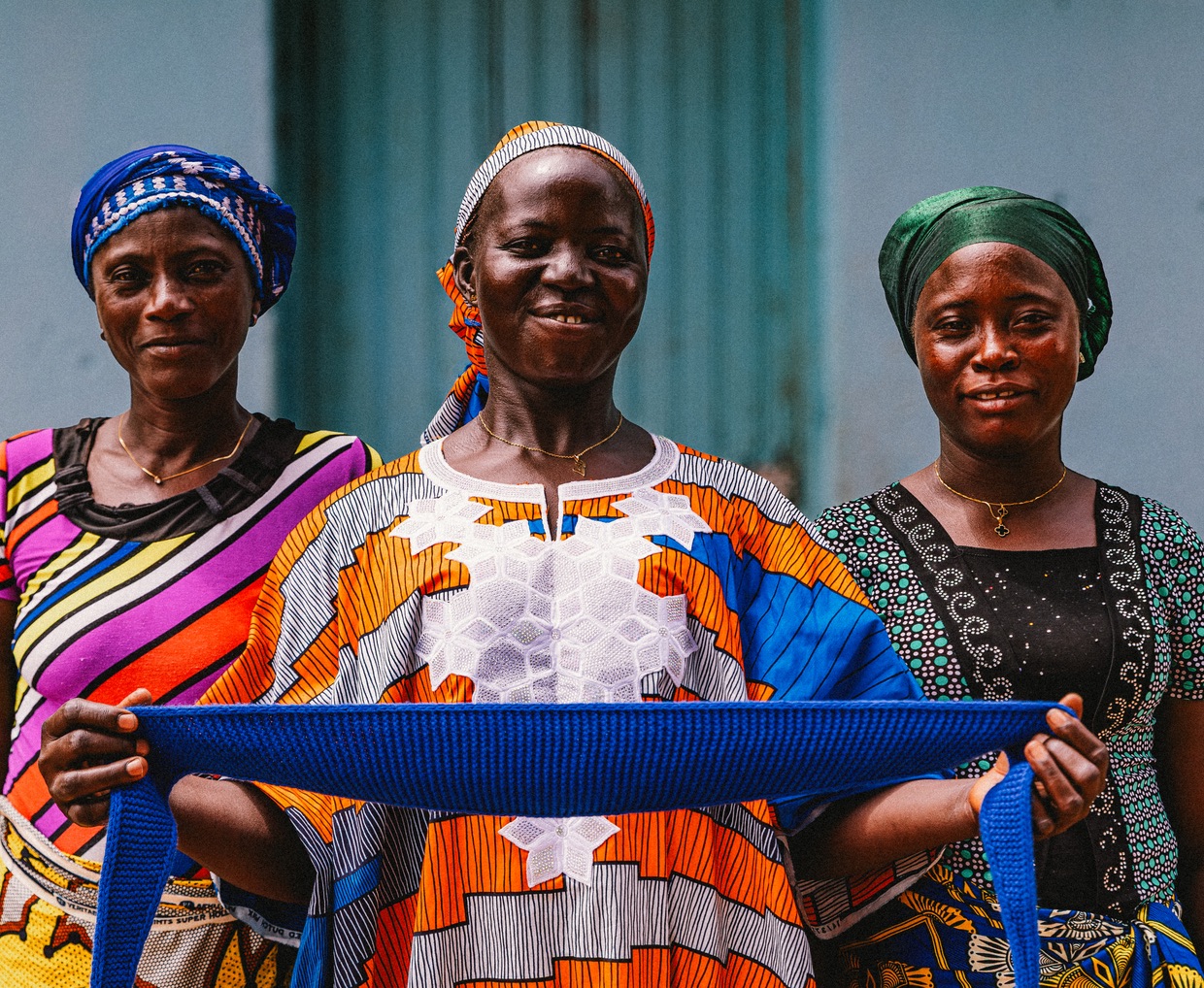
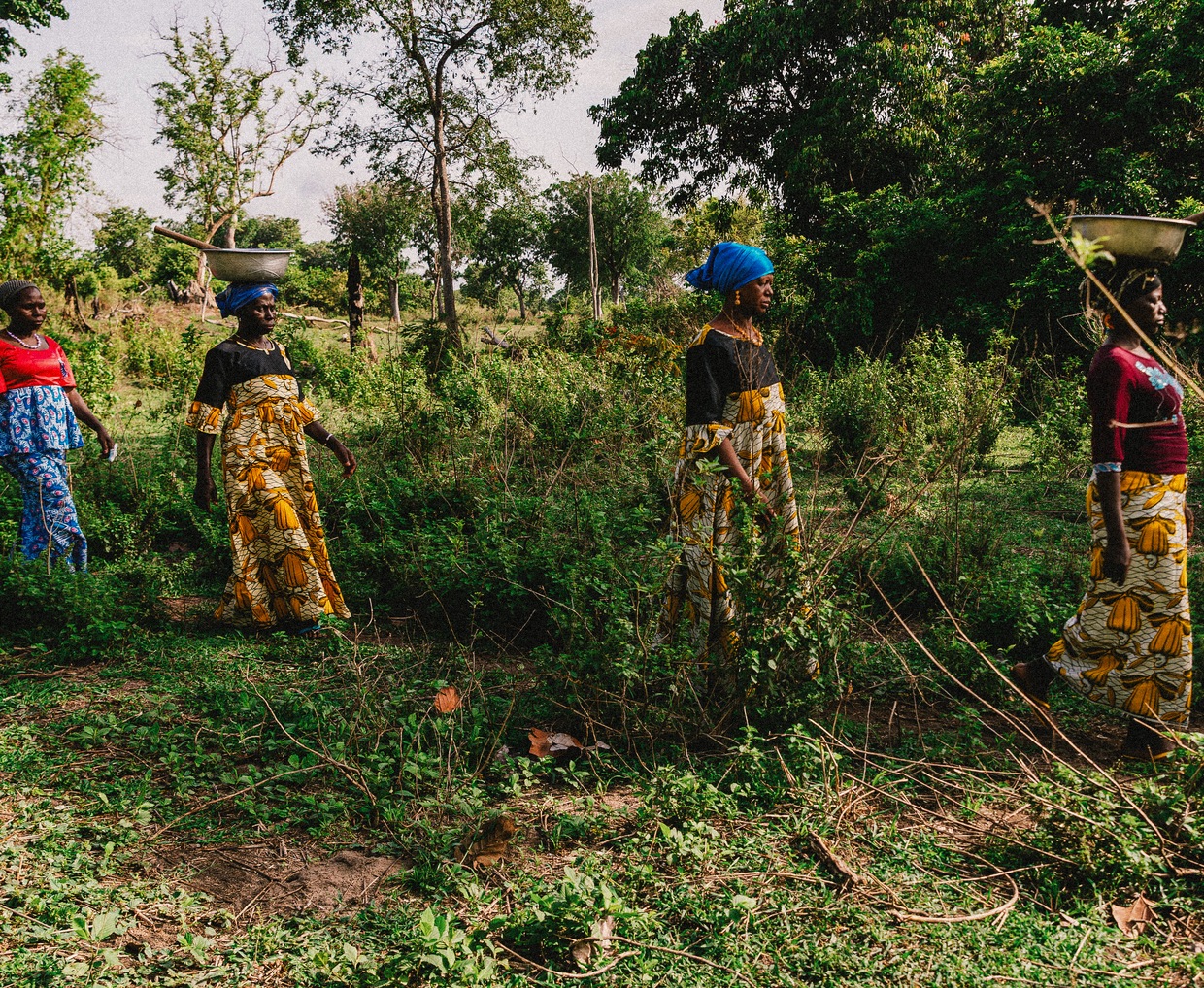
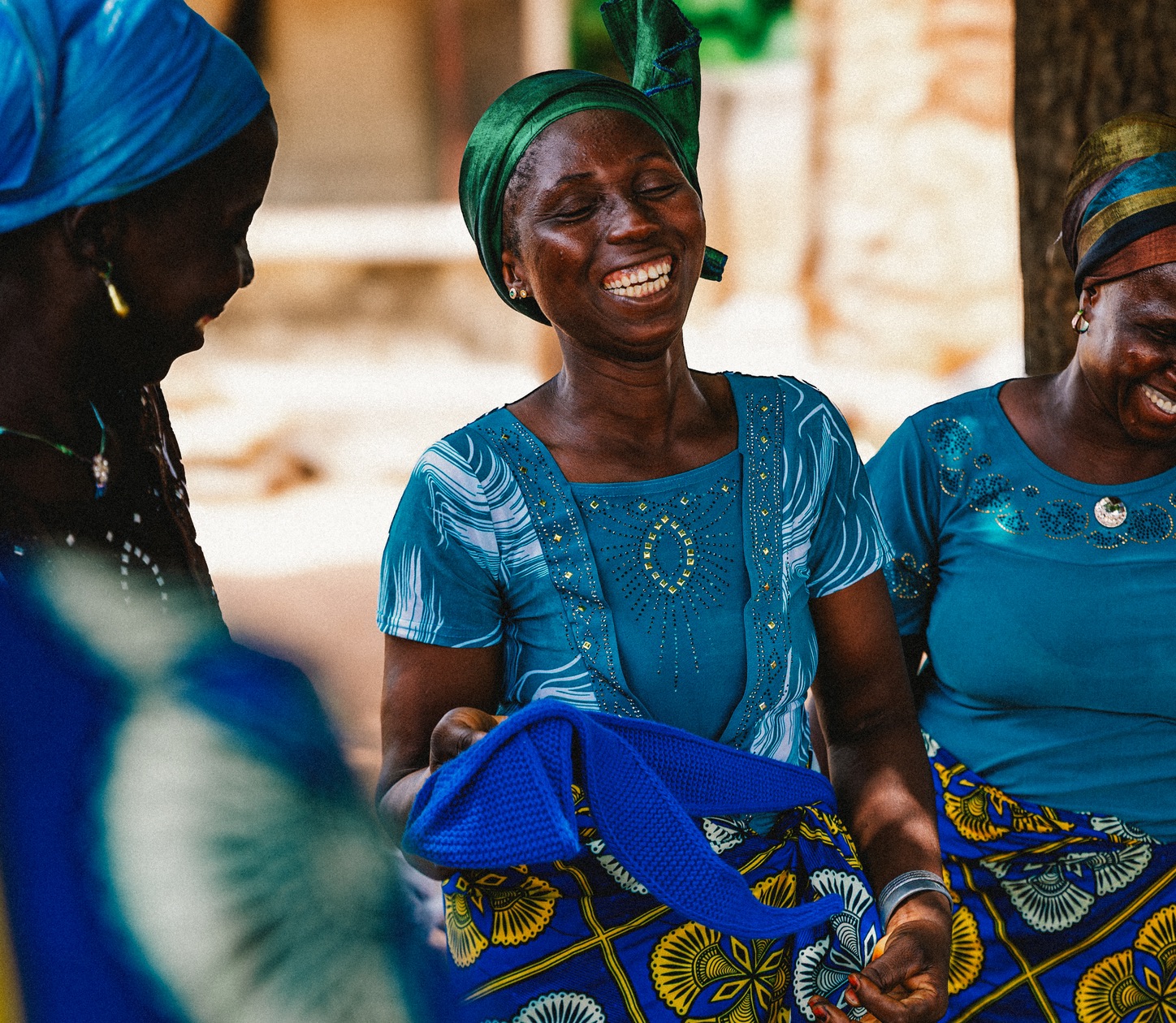
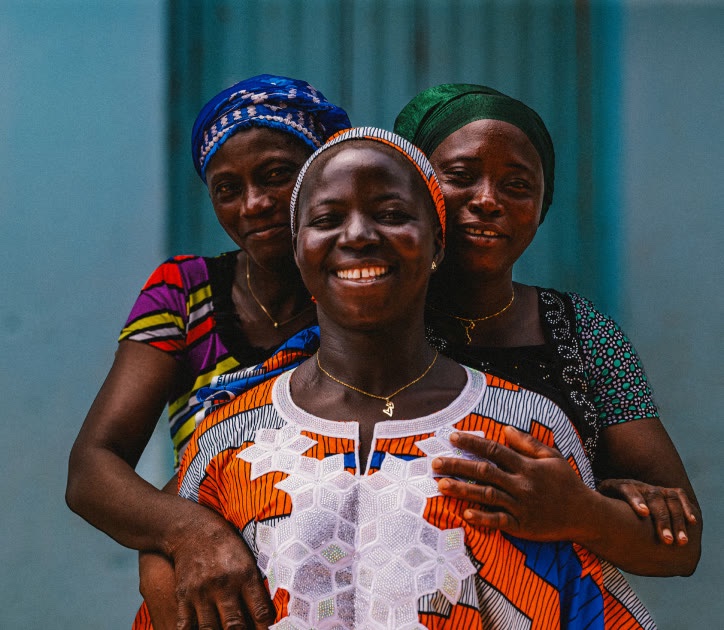
“It makes me proud to see that we are the ones growing this cotton, and it is this very cotton that clothes us and brings us an income.”

Kartcha Coulibaly, Cotton Farmer,
Côte d’Ivoire

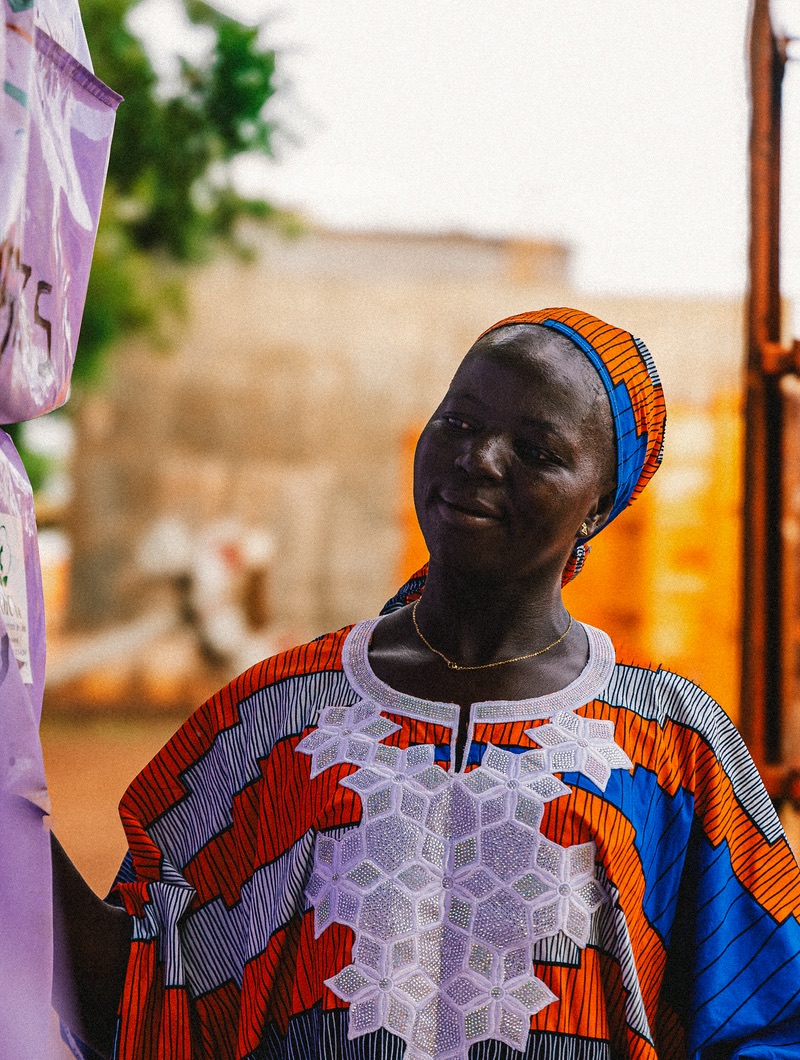
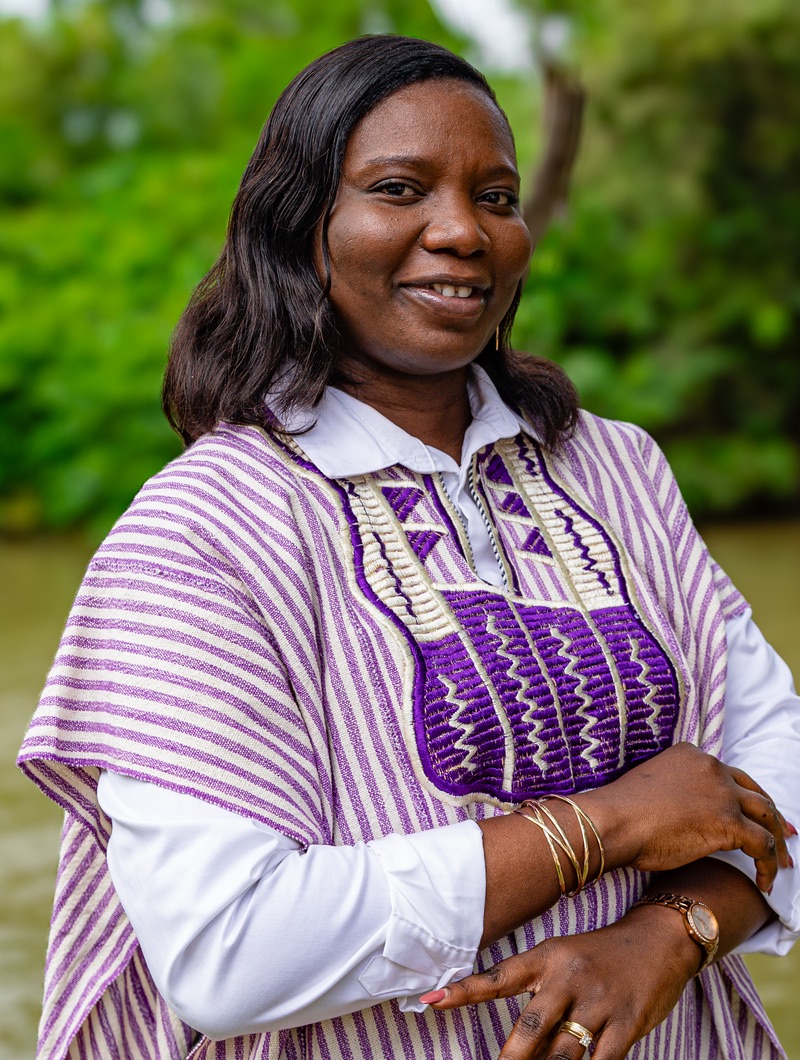
“I’m proud to grow cotton that brings joy to everyone who wears it.”

Tiérégnimin Silué, Cotton Farmer,
Côte d’Ivoire

Interview Videos

The video is loaded from YouTube once you click play. YouTube’s privacy policy applies.

The video is loaded from YouTube once you click play. YouTube’s privacy policy applies.

Why This Campaign Matters

Female farmers continue to face structural disadvantages, including with access to land, financial resources, training, and decision-making. This structural disadvantage is a major cause of social and economic injustice and of missed opportunities for development worldwide. Globally, there is huge potential in supporting women in agriculture:

Source: ‘International Year of the Woman Farmer 2026’, Food and Agriculture Organization of the United Nations (FAO), https://www.fao.org/woman-farmer-2026/en, (accessed October 2026).

What the Aid by Trade Foundation Is Working On

AbTF addresses gender imbalance in farming communities through a multi-stage approach centred on close cooperation with local partners. Through our women’s empowerment initiatives, we help women gain practical skills, take on leadership roles, and improve their income. Our commitment to female empowerment is not just a promise; it is written into our standards and supported by targeted projects. Cashmere and cotton farms are mainly family-run. Whereas our training and projects address producer communities in their entirety, there are also concrete initiatives to support female farmers:

Equality

AbTF embeds equality criteria in all its independently verified standards. An independent study found that over 80 percent of women in Côte d’Ivoire receive an equal share of cotton-sale proceeds.

Source: ‘Case study: Research on women empowerment among female CmiA cotton farmers’, Cotton made in Africa (July 2024), Study-on-Women-Empowerment-2024.pdf

Skills

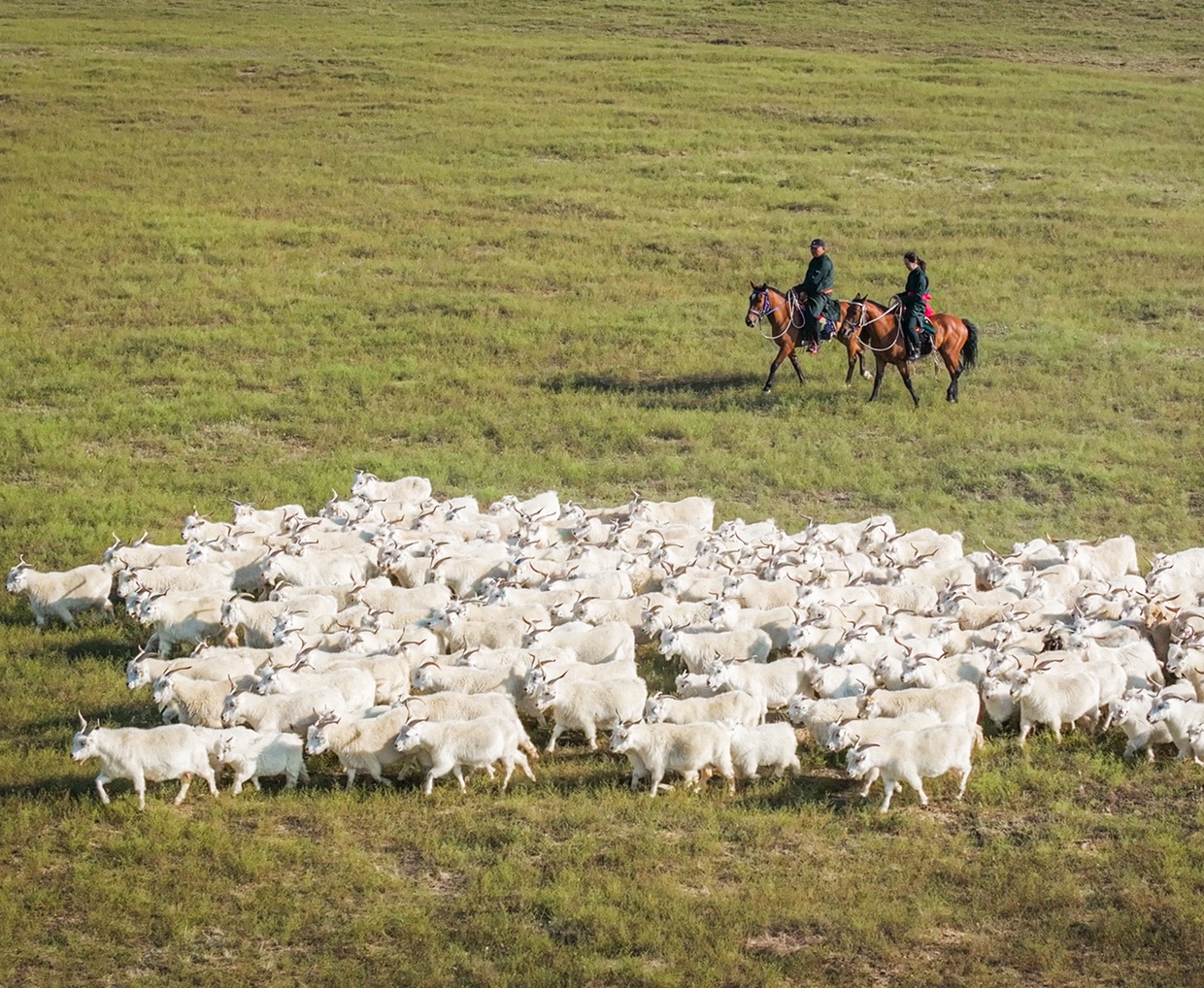
We enhance business, practical, and literacy skills through gender-specific content. For cashmere farmers, this means training in herd management. In African cotton-producing regions, it includes establishing savings and loan cooperatives as well as offering literacy courses that build confidence and financial independence for female cotton farmers.
Support for Women’s Clubs

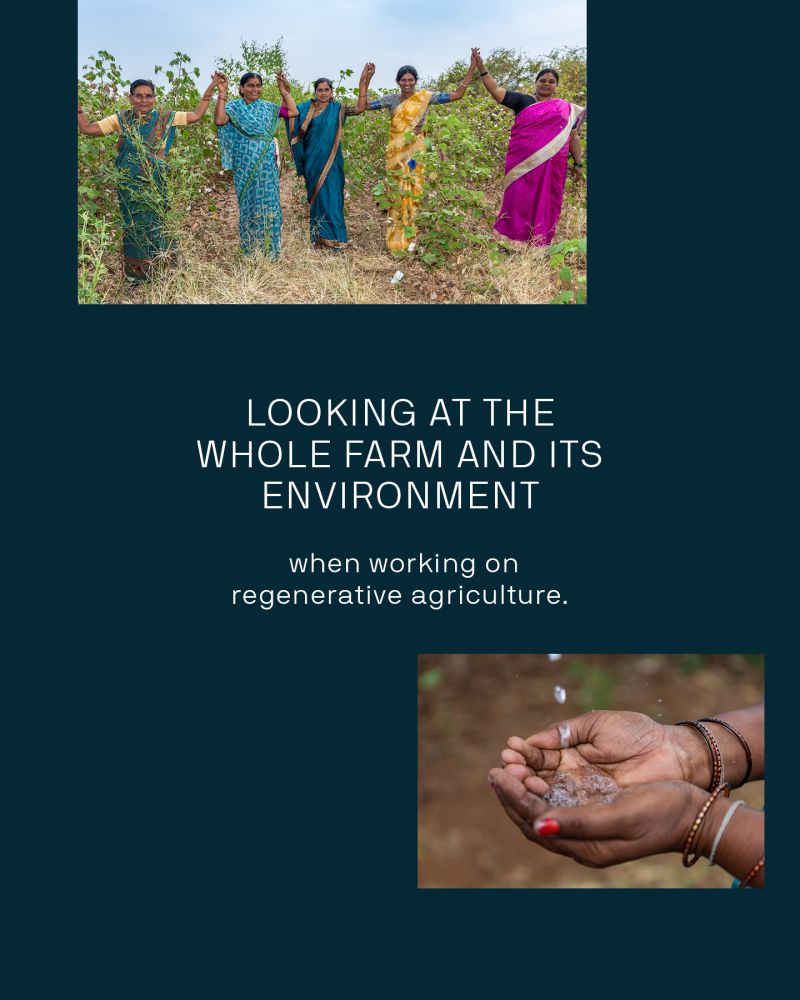
In Africa, we have already supported 116 women’s clubs where members cultivate cotton fields together and launch other income-generating businesses like poultry farming or shea butter production. These clubs create powerful networks for shared success.

Improving Living Conditions

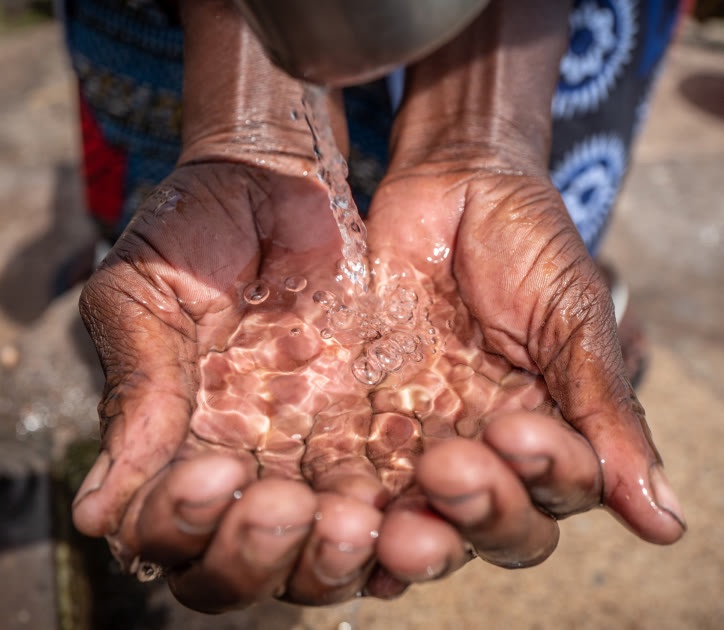
By financing projects in African cotton growing regions that improve access to clean water, we help women and girls reclaim time, increase their safety, and gain opportunities for education and economic activity. This makes such a big difference because girls and women are otherwise often required to make long, unsafe journeys to fetch water. More than 40,000 community members benefited from water-related CmiA community projects in 2025.

More Women, Diverse Perspectives

Discover the voices directly driving the empowerment of female farmers! Alongside the farmers who are transforming how cotton and cashmere are produced and uplifting their communities, dedicated partners and facilitators play a vital role on the ground. At the Aid by Trade Foundation, we proudly collaborate with these passionate change makers to create a lasting impact.
Josia Nyamien

Regional Director, CmiA-verified cotton company Olam International, Côte d’Ivoire

“Some thirteen years ago, when the men of a cotton-growing village hesitated as I wanted to launch a project for women, I went there myself. The chief was visibly surprised to see that the regional director was a woman—but he agreed to approve the project. That moment left a deep mark on me. I understood that showing up, owning your place, and being seen can open the door for other women.”

Nansou Coulibaly

Head of Gender and Social Initiatives, CmiA-verified cotton company COIC-SA (Compagnie Ivoirienne pour le Développement des Textiles), Côte d’Ivoire

“Knowledge in a woman’s hands safeguards her whole family. Investing in women cotton farmers secures cotton for the next twenty years—because a well-trained woman doesn’t abandon her land; she tends it for her children.”

Summer Wang

GCS Officer, GCS-verified cashmere producer Niushi, Inner Mongolia, China

“In the past, women’s contributions were often seen mainly as supporting labour within the household, with little involvement in independent management or decision-making. Today, a new generation of women is increasingly taking responsibility for their own decisions: managing their farms, bearing the risks and returns, and engaging directly with the market.”

Ji Renna

GCS Officer and Administrative Manager, GCS-verified cashmere producer Jiayi Knitting Co Ltd, Inner Mongolia, China

“Women herders are indispensable pillars of their families. Their importance is deeply rooted in the unique production and way of life of the grasslands and goes far beyond the traditional role of a ‘housewife’. In herder households in the Ordos grasslands, women are by no means merely supporting figures who ‘lend a hand’. They are the backbone of the household, sustaining both family livelihoods and the day-to-day management of the pasture.”

Violet Zulu Mandauka

Operations Manager, CmiA-verified cotton company Highlands Cotton Trading, Zambia

“We shouldn’t be underestimated as women. Many of us have the potential to be exceptional leaders.”

Adèle Noudjilembaye

Head of Sustainability, CmiA-verified cotton company Cotontchad SN (a subsidiary of Olam Agri)

“Historically, women have been virtually absent from management positions in the cotton industry. Today, having joined the Cotontchad SN management team, I am striving to break through this glass ceiling. The rigour of my scientific expertise commands respect and proves that competence has no gender.”

Get Involved and Stay Informed

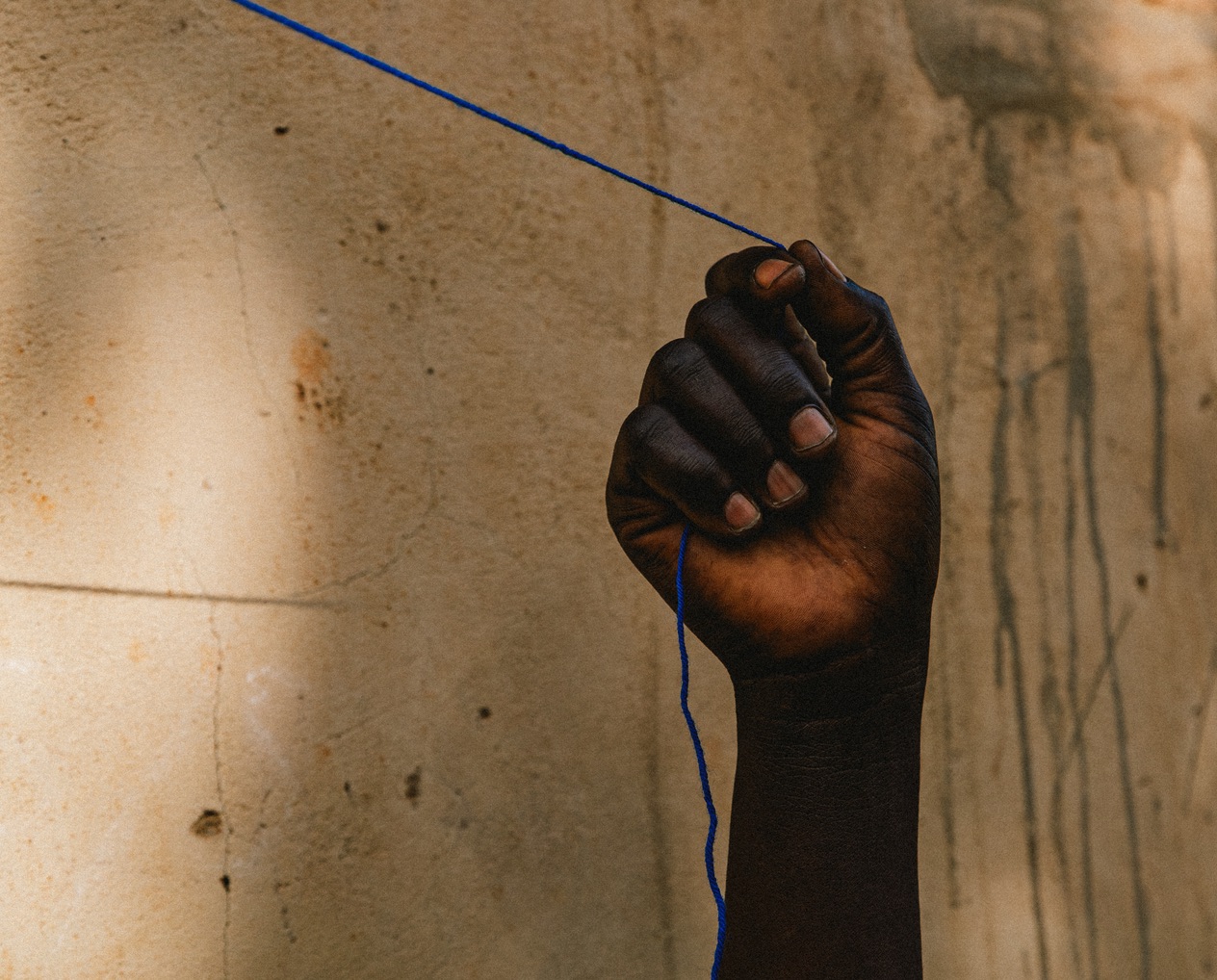
Join us in weaving a story for fashion in which women are seen and heard! We would love your support with the social media campaign #FromMyHands. Get in touch to find out how you can participate! We would love to connect with you.

To see more on LinkedIn

Explore all Aid by Trade Foundation standards

Get news first

Get the Cotton & Cashmere Newswire for the latest news from the women behind our fibres and from our standards.